
Operations Improvement
Optimize your production site processes through data-driven insights and strategic use case development
Our Approach
Comprehensive process understanding phase to discover potential use cases for optimization. Through systematic analysis of end-to-end operations, we identify improvement opportunities, develop use cases for prioritization, and provide strategic recommendations. Implementation and development activities are planned for subsequent phases based on approved priorities.
Process Flow
Understand and Visualize
As-Is processes involving identified functions
Identify Improvements
& new opportunities while interviews
Use Cases Prioritization
Based on business case
SLT Presentation
In PowerPoint form
Scope of Understanding the Process
Technical Planning
Supply chain processes from material planning to procurement and inventory management.
Operational Planning
Supply chain execution including order management, scheduling, and logistics coordination.
Manufacturing
Production processes including IPC (In-Process Controls), QC (Quality Control), and QA (Quality Assurance) activities.
Release & Shipping
Warehouse operations and distribution processes from finished goods storage to final product shipment.
Technology Landscape
Analysis of all supporting technologies including ERP, MES, DCS, SCADA, LIMS, Data Historians, and other systems that enable and integrate these processes across the entire value chain.
Use Cases Development
Identify and develop potential use cases for each optimization opportunity discovered during process understanding. Each use case is evaluated for feasibility, benefits, and implementation complexity.
Use Case Portfolio (not limited to below list)
Operational Excellence
- Real-Time Visibility
- Predictive Maintenance
- Centralized Recipe Management
- Electronic Batch Records
Strategic Integration
- Supply Chain Integration
- Quality/CAPA Integration
- Energy Management
- Global Network Optimization
Prioritization Matrix
Use cases are prioritized based on impact/value and feasibility using a structured framework that balances quick wins with long-term strategic initiatives. This ensures optimal resource allocation and maximum value delivery.
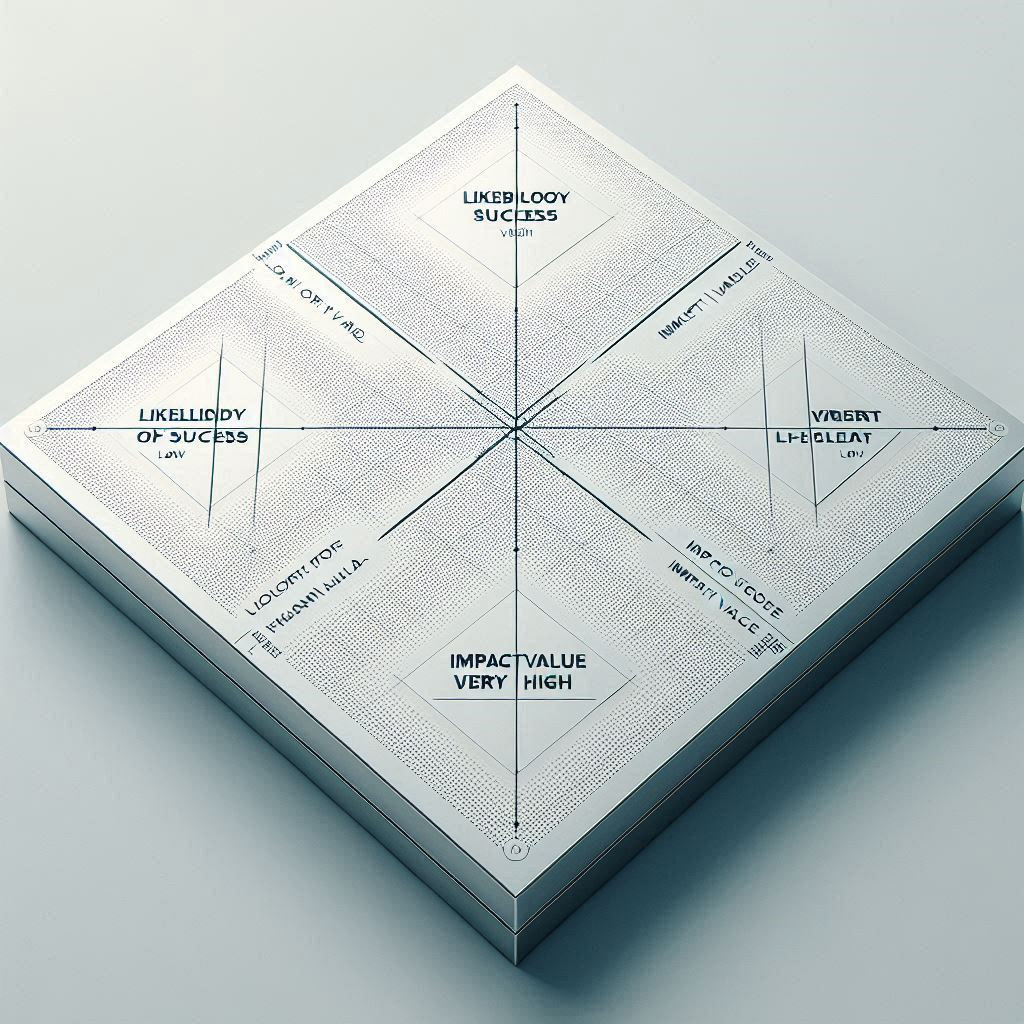
Use cases are plotted based on their feasibility (likelihood of success) and impact/value to identify prioritized opportunities in the top-right quadrant.
Business Case Calculator Tool
A comprehensive Excel-based tool designed to quantify the financial impact and ROI of identified use cases. This structured calculator enables data-driven decision-making by comparing global versus local deployment strategies and transforming operational improvements into measurable business value.
Calculator Structure
The tool is organized into three main sections that capture the complete business case:
Section A: Investment Estimation
Captures deployment strategy and scale parameters:
- Total number of sites for deployment
- Total number of production lines across all sites
- Average number of units per line (machines, equipment, sensors)
- Global vs. local deployment cost breakdown (pilot, first implementation, replication)
Section B: Quantitative Benefits Estimation
Calculates direct labor and time savings:
- Average number of active shifts per week and weeks per year
- Time savings per shift (in minutes)
- Average operator cost per hour (fully loaded rates)
- Annual soft savings calculation from efficiency improvements
Section C: Increased Productivity Estimation
Quantifies throughput and capacity improvements:
- Average percentage of full capacity lines before improvement
- Number of full capacity production lines
- Percentage improvement in OAE (Overall Asset Effectiveness)
- Average line absorption cost per hour
- Annual increased absorption value from productivity gains
Investment Categories
Global Deployment
- Domain Controller integration licensing costs per UOM
- Pilot implementation (one-time concept development)
- First site implementation (initial workcenter setup)
- Replication costs for additional sites
Supporting Systems
- Monitoring Solution platform licensing
- ERP interface integration
- BI dashboards and analytics
- Total pilot investment calculation
ROI Calculation Output
The calculator automatically computes the financial return by combining:
- Total CAPEX Investment: Sum of all deployment and system costs
- Soft Savings per Year: Annual labor cost reduction from time savings
- Increased Absorption per Year: Annual value from productivity improvements
- ROI Combined (B+C/A): Total annual benefits divided by total investment
- Payback Period: Time to recover investment (typically 0.25-3 years)
Configurable Parameters & Scenarios
All input parameters are marked with "Modify" indicators, allowing stakeholders to test different scenarios by adjusting site counts, shift patterns, labor rates, efficiency improvements, and absorption costs. This sensitivity analysis enables comparison of deployment strategies (global standardization vs. local customization) and identification of optimal implementation approaches.
Implementation Planning
Implementation and development activities are planned for subsequent phases based on approved priorities. This phase focuses on defining the roadmap and execution strategy for the selected use cases.
Implementation Approach
Phase Planning
- Roadmap development with milestones
- Phased implementation strategy
- Resource and budget allocation
- Timeline and scheduling
- Dependency management
Execution Support
- Project governance framework
- Stakeholder communication plan
- Change management strategy
- Quality assurance and validation
- Performance monitoring and KPIs
Deliverables
Comprehensive implementation plan including detailed project charters, technical specifications, validation strategies, and success criteria for each approved use case. Continued support through execution phases to ensure successful delivery.